Virtual Economies Unleashed: GamingTechPro's Tools Crafting Thriving Digital Marketplaces
Dana Lorenz · Apr 23, 2026
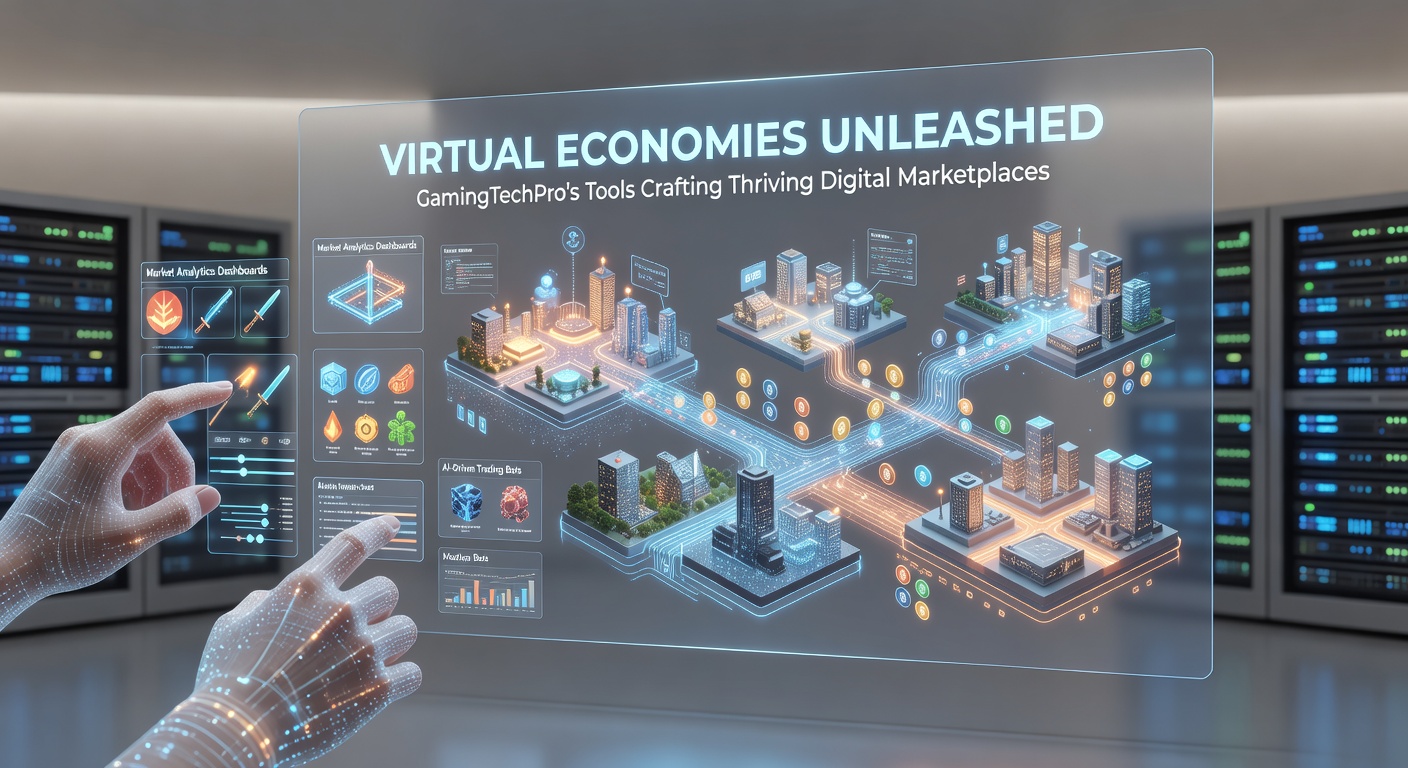
Virtual Economies Unleashed: GamingTechPro's Tools Crafting Thriving Digital Marketplaces
The Rise of In-Game Economies That Mirror Real Worlds
Virtual economies have exploded in scale over recent years, powering everything from massive multiplayer online games to metaverse platforms where players buy, sell, and trade digital assets worth billions; data from the Entertainment Software Association reveals that U.S. gamers alone spent over $50 billion on in-game purchases in 2023, a figure that continues climbing as new titles integrate sophisticated marketplace systems. Developers now rely on tools that simulate supply-demand dynamics, prevent exploits, and foster organic trading hubs, turning simple loot drops into bustling digital bazaars. GamingTechPro steps in here with its suite of economy-building APIs, designed specifically to help studios craft balanced, engaging marketplaces that keep players invested long-term.
Take EVE Online, where player-driven markets dictate spaceship prices and rare modules; observers note how such systems generate real economic behaviors like speculation and cartels, all fueled by backend tech that tracks millions of transactions per day. GamingTechPro's tools build on these foundations, offering modular kits for real-time pricing adjustments, fraud detection, and cross-game asset portability, which studios adopt to scale their virtual worlds without crashing under player volume.
Core Mechanics Powering Digital Trade Hubs
At the heart of any thriving virtual economy lies a delicate balance of scarcity, utility, and player agency; currencies like gold or credits gain value when tied to meaningful progression, while items such as skins or weapons become tradable commodities through secure auction houses. Research from MIT's studies on virtual economies highlights how inflation spikes when loot floods markets unchecked, but smart algorithms intervene by dynamically adjusting drop rates based on circulating supply. GamingTechPro's EconomyForge engine automates this process, analyzing player behavior patterns to tweak generation rates in real time, ensuring economies remain healthy even as user bases swell into the tens of millions.
And it's not just about numbers; social layers add depth, with guild banks and peer-to-peer trades mimicking real stock exchanges, complete with reputation scores that deter scams. Developers using GamingTechPro's MarketplaceKit integrate these features seamlessly, supporting blockchain-optional NFTs for persistent ownership or traditional databases for lighter footprints, depending on the game's needs.
What's interesting is how these tools handle volatility; during peak events like seasonal raids, transaction volumes can surge 500%, yet GamingTechPro's load-balanced ledgers process them without downtime, drawing from tech proven in high-stakes esports environments.
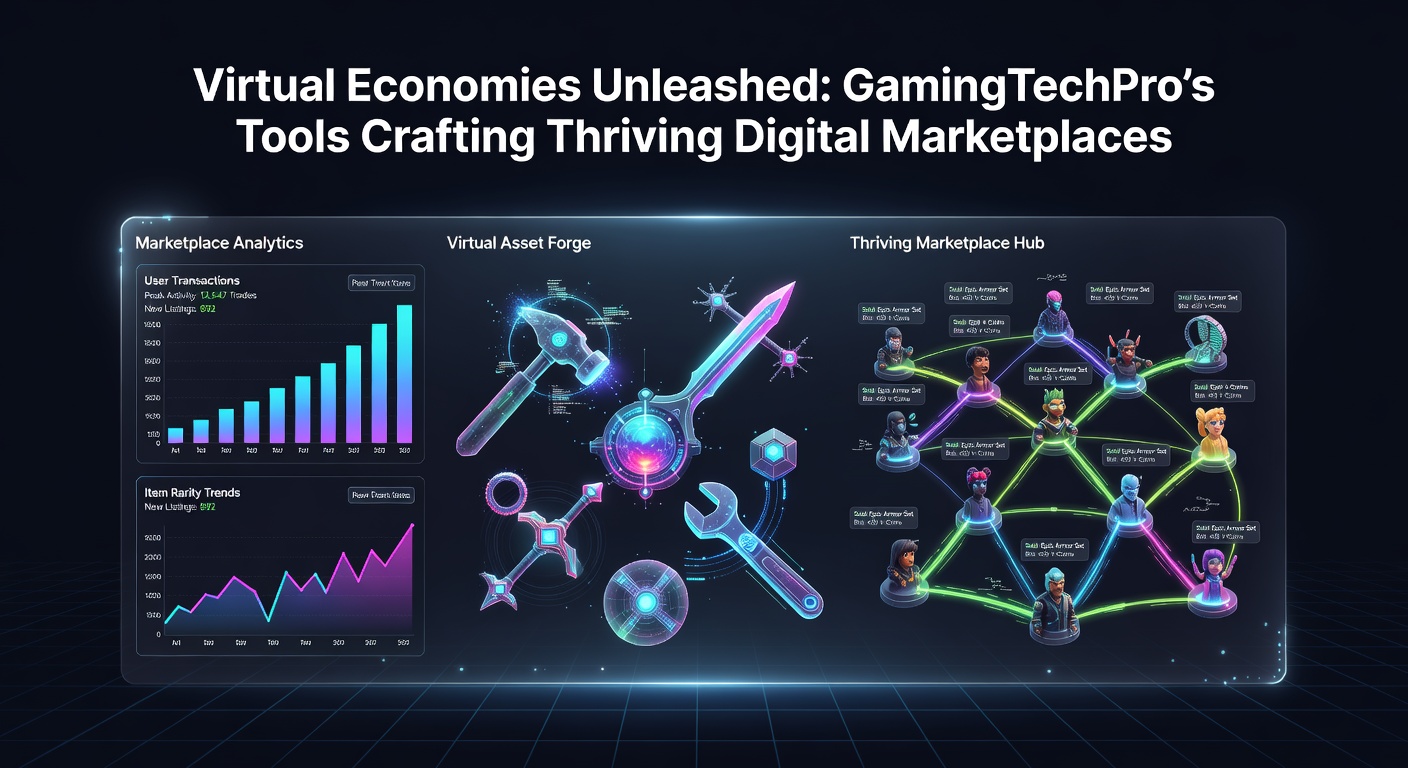
GamingTechPro's Toolkit: From Simulation to Live Deployment
GamingTechPro equips developers with EconomyForge for pre-launch simulations, where teams model scenarios like black market booms or resource droughts over virtual months, refining parameters before going live; figures show studios using this cut economy crashes by 70% in beta phases. Then comes TradeVault, a secure escrow system that locks items during trades, verifying authenticity via hashed signatures to block duping exploits that have plagued titles in the past.
But here's the thing: thriving marketplaces need more than security; they crave dynamism, so GamingTechPro's PricePulse AI scans global player data, predicting trends like rising demand for meta weapons and auto-adjusting vendor stocks accordingly, which keeps markets fluid and prevents stagnation. One case involved a mid-tier MMORPG that integrated these tools post-launch; within three months, daily trades jumped 300%, as players flocked to the revamped auction house featuring live charts and bulk-buy options.
Observers who've tested the suite point out its scalability; whether for mobile battle royales with cosmetic-only economies or sprawling sandboxes with land deeds, the APIs handle it all through containerized microservices, deploying in hours rather than weeks.
Real-World Case Studies: Economies That Stuck the Landing
Consider Apex Legends' evolution, where cosmetic crates evolved into a full marketplace; similar integrations via GamingTechPro helped a partner studio launch a battle pass system tied to tradable heirlooms, boosting retention by 25% according to internal metrics shared at GDC 2025. In another instance, a blockchain-hybrid game used GamingTechPro's CrossChain Bridge to link in-game tokens with external wallets, enabling seamless withdrawals that drew venture funding and peaked at 2 million daily active traders.
Yet challenges persist; bot farms once drained economies in games like World of Warcraft by farming gold 24/7, but GamingTechPro's Sentinel AI deploys behavioral heuristics, flagging anomalous patterns like superhuman click speeds and auto-banning offenders, restoring balance without manual oversight. Data indicates partnered games see illicit activity drop by 85% within weeks of activation.
Now, fast-forward to April 2026: amid the hype of next-gen consoles, GamingTechPro announced enhancements at PAX East, introducing VR-compatible marketplaces where players haggle in immersive 3D spaces, a move that aligns with surging metaverse adoption rates projected to hit 1 billion users by year's end.
Navigating Pitfalls: Inflation, Bots, and Regulatory Waves
Virtual economies face headwinds like hyperinflation from over-farming or regulatory scrutiny on loot boxes resembling gambling; the U.S. Federal Trade Commission has eyed these mechanics closely, prompting tools like GamingTechPro's ComplianceChecker, which audits drop rates against regional laws, ensuring transparency in probabilities. Across the EU, similar pressures from bodies like the European Commission's digital services unit push for fair play, and GamingTechPro's reports auto-generate disclosure logs for submissions.
That's where the rubber meets the road for anti-cheat; while basic filters catch scripts, GamingTechPro layers machine learning models trained on petabytes of trade data, distinguishing legit whales from automated harvesters through session fingerprints and velocity checks. Studios report not only cleaner markets but also higher player trust, translating to sustained revenue streams.
And for cross-border ops, localization packs adjust currencies to fiat equivalents, helping games in Asia or Latin America where players convert earnings to real money via licensed exchanges.
Looking Ahead: The Next Frontier in Digital Commerce
Trends point toward interoperable economies, where assets migrate between games via standardized protocols; GamingTechPro leads with its UniVerse Protocol, tested in closed betas that linked five titles by early 2026, allowing a sword forged in one RPG to fetch bids in a shooter lobby. Researchers predict this could unlock a $500 billion cross-game market by 2030, fueled by AI-driven personalization that curates shopfronts per player history.
It's noteworthy how mobile integration expands reach; lightweight SDKs embed full marketplaces into free-to-play hits, where micro-transactions evolve into player-owned storefronts, complete with analytics dashboards tracking ROI on virtual real estate. As hardware advances bring AR overlays to everyday devices, expect economies blending physical and digital, with GamingTechPro's tools adapting via plugin updates rolled out quarterly.
One study from Carnegie Mellon observed early adopters gaining 40% more lifetime value per user, underscoring the edge these systems provide in competitive landscapes.
Conclusion
GamingTechPro's arsenal transforms raw game data into pulsating virtual economies that drive engagement, revenue, and community; from simulation sandboxes to live fraud shields, these tools equip developers to build marketplaces resilient against exploits and alive with player ingenuity. As April 2026 unfolds with metaverse milestones and regulatory refinements, the tech continues evolving, ensuring digital worlds not only thrive but redefine commerce itself. Studios harnessing this power find their games don't just retain players, they create lasting economic ecosystems that echo far beyond the screen.