Untangling Player Queries: Connecting Common Questions to Legal Frameworks and Operational Systems in Gaming Services
Parker Foster · Aug 13, 2026
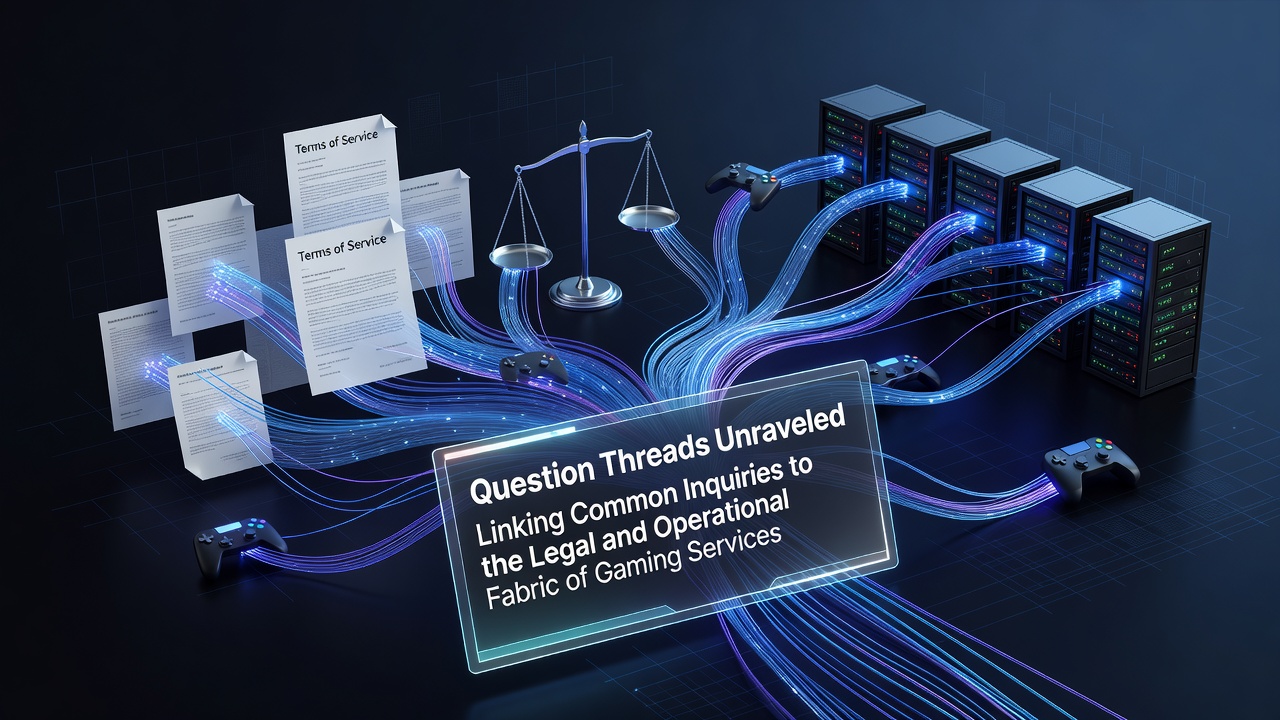
Untangling Player Queries: Connecting Common Questions to Legal Frameworks and Operational Systems in Gaming Services
Player questions in gaming services often trace directly back to the intersection of consumer protection laws and the day-to-day mechanics of account management, payment processing, and content delivery. Observers note that queries about billing disputes, account suspensions, and data access requests surface repeatedly across platforms because they sit at the junction where statutes like the EU's General Data Protection Regulation and operational protocols for server-side logging converge.
Patterns in Recurring Inquiries
Data from industry monitoring groups shows that account recovery requests, refund eligibility questions, and privacy setting clarifications account for a large share of support volume each month. These threads gain complexity when users reference regional consumer rights that require operators to retain specific transaction records for defined periods, while platform systems must simultaneously delete personal data upon verified deletion requests. Researchers at academic institutions studying digital services have documented how these overlapping demands create structured workflows that support teams follow to avoid regulatory penalties.
August 2026 brought additional layers as several jurisdictions updated digital service obligations, prompting gaming companies to adjust automated response templates and backend flags that route certain inquiries to specialized legal review queues. Those adjustments illustrate how a single player question about subscription cancellation can activate both operational scripts for immediate access revocation and legal checks for compliance with cooling-off periods mandated in specific markets.
Legal Anchors Behind Operational Responses
Consumer protection statutes in multiple regions require clear disclosure of terms that affect gameplay access and virtual item ownership. When users ask about lost progress after a ban, operators reference documented violation logs that align with published community standards, yet the same logs must satisfy evidentiary standards if a regulatory body requests them. The Entertainment Software Association tracks how member companies maintain audit trails that satisfy both internal policy enforcement and external legal scrutiny.
Payment-related questions frequently invoke financial services regulations that differ by country. Australian oversight bodies, for instance, mandate specific refund timelines for digital purchases, while Canadian provincial rules emphasize transparent pricing displays before checkout. Support documentation therefore incorporates jurisdiction-specific language so agents can cite the applicable statute without delay, reducing escalation rates.
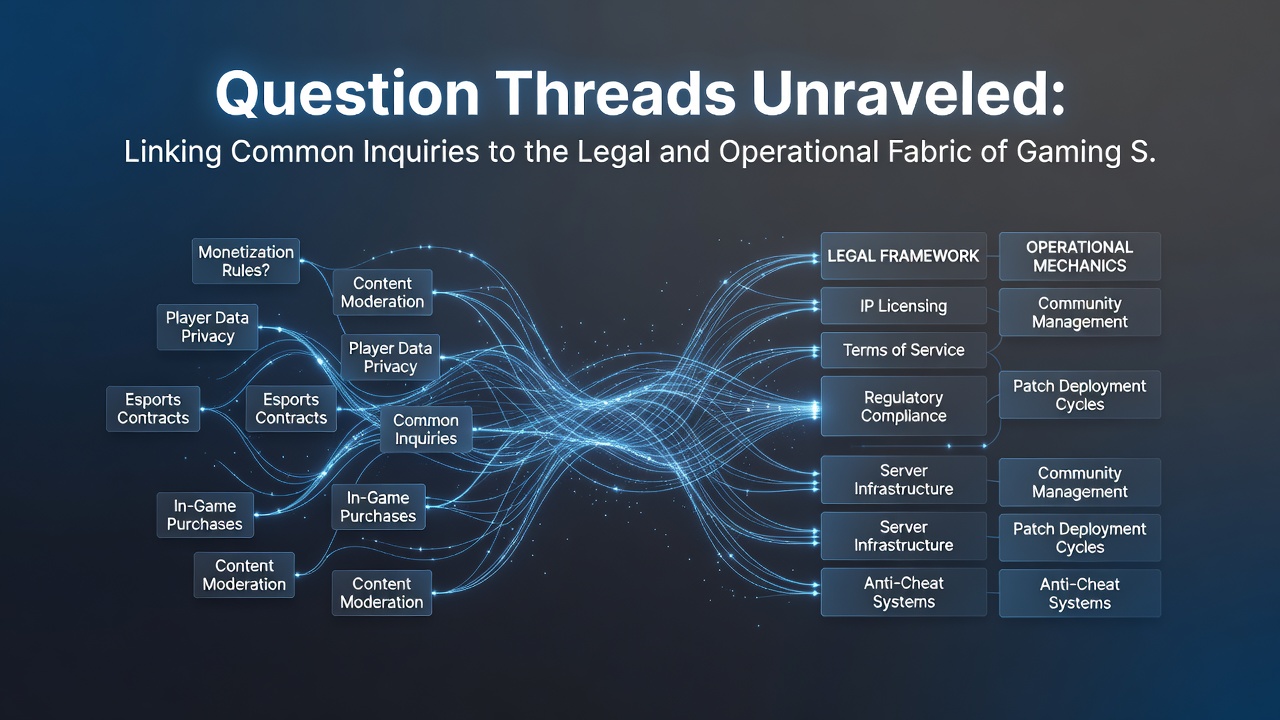
Support Systems That Bridge the Two Domains
Multi-platform ecosystems employ tiered support structures where initial automated replies handle straightforward queries, while complex cases involving cross-border data transfers move to teams trained in both technical troubleshooting and regulatory text. Studies from university research centers indicate that integrated ticketing systems reduce average resolution time by linking each inquiry to relevant sections of the terms of service and corresponding backend event logs.
Platform operators also publish self-service portals that surface policy excerpts alongside operational explanations. A question about why a region-locked title cannot be accessed receives an immediate reference to licensing agreements, followed by a technical note on IP-based content delivery networks. This dual presentation satisfies the user's need for explanation while documenting compliance with transparency requirements found in consumer protection directives.
Case Examples from Platform Operations
One documented scenario involved repeated queries about virtual currency expiration. Operators responded by updating the in-game notice system and simultaneously revising the legal notice page to include jurisdiction-specific expiration rules. The change addressed both the operational complaint volume and regulatory expectations for clear disclosure. Another instance showed how a spike in data portability requests following a major update led to expanded API endpoints that automated fulfillment while maintaining audit records required by data protection authorities.
These adjustments demonstrate that the fabric of gaming services consists of interwoven threads: each player question pulls on legal obligations that shape the operational tools available to support staff, and each operational tool in turn generates data that must meet legal retention and access standards.
Conclusion
Common inquiries in gaming services function as entry points that reveal the underlying connections between regulatory mandates and platform infrastructure. By mapping each recurring question to its corresponding legal text and operational process, companies maintain consistent responses across regions while adapting to evolving statutes. The result is a support environment where legal and operational elements operate as a single coordinated system rather than separate domains.