Matchmaking Mastery: Algorithms Pairing Warriors in Epic Online Clashes
Drew Lorenz · Apr 21, 2026
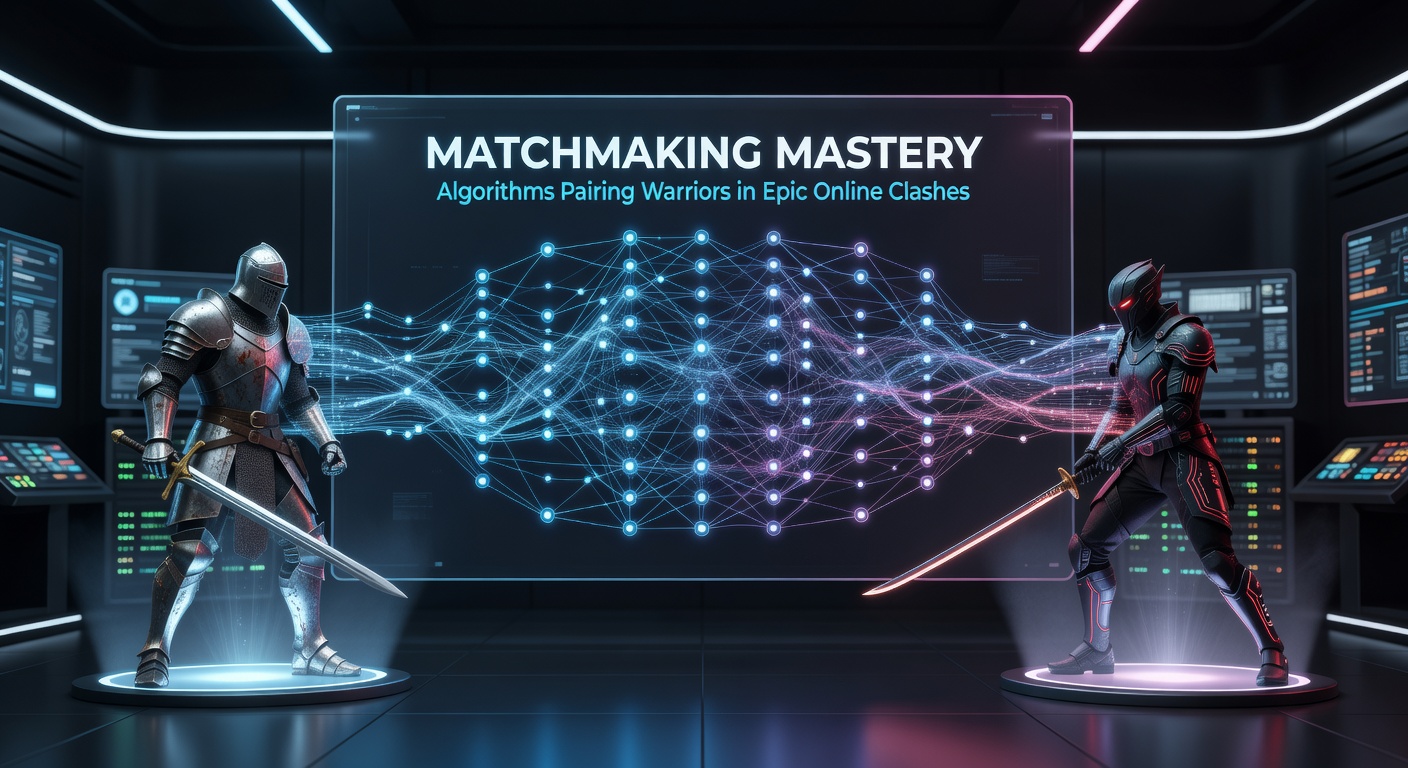
Matchmaking Mastery: Algorithms Pairing Warriors in Epic Online Clashes
The Backbone of Online Battles
Online multiplayer games thrive on quick, fair matches, and matchmaking algorithms serve as the invisible conductors orchestrating these clashes; developers rely on them to pair players not just by chance, but through precise calculations of skill levels, connection quality, and playstyle preferences, ensuring battles feel epic rather than frustrating. Data from the Entertainment Software Association reveals that over 190 million Americans engage in multiplayer gaming annually, with matchmaking systems handling billions of pairings each month across titles like Fortnite and Call of Duty. Experts observe how these algorithms evolved from simple random queues in the early 2000s to sophisticated machine learning models today, adapting in real-time to player behavior and server loads.
Take early systems in games like Quake III; they grouped players by basic ping times alone, but modern setups layer in multiple variables, creating matches that keep retention rates high—studies show players stick around 30% longer when paired evenly. And that's where the magic happens: algorithms scan vast player pools, crunching data on win rates, kill-death ratios, and even hardware specs, all while queues fill in seconds.
Decoding the Algorithmic Core
At the heart of matchmaking lies the Elo rating system, originally from chess but now ubiquitous in gaming; it assigns numerical values to players based on performance, adjusting scores after each match to reflect true skill, so a victory against stronger opponents boosts ratings more than against weaker ones. Developers enhance this with skill-based matchmaking (SBMM), which clusters players into tiers, ensuring 50-50 win probabilities on average—researchers at ACM SIGGRAPH conferences have analyzed how such systems reduce mismatch rates by up to 40%.
But here's the thing: ping and latency play crucial roles too, as algorithms prioritize low-latency groups within geographic regions, sometimes cross-region for peak times; machine learning models predict connection stability by analyzing historical data, dodging packet loss that could ruin a clutch moment. What's interesting is how behavioral data factors in—aggressive rushers get matched with similar types, while snipers face patient flankers, balancing team compositions dynamically.
Balancing Act: Skill, Speed, and Fairness
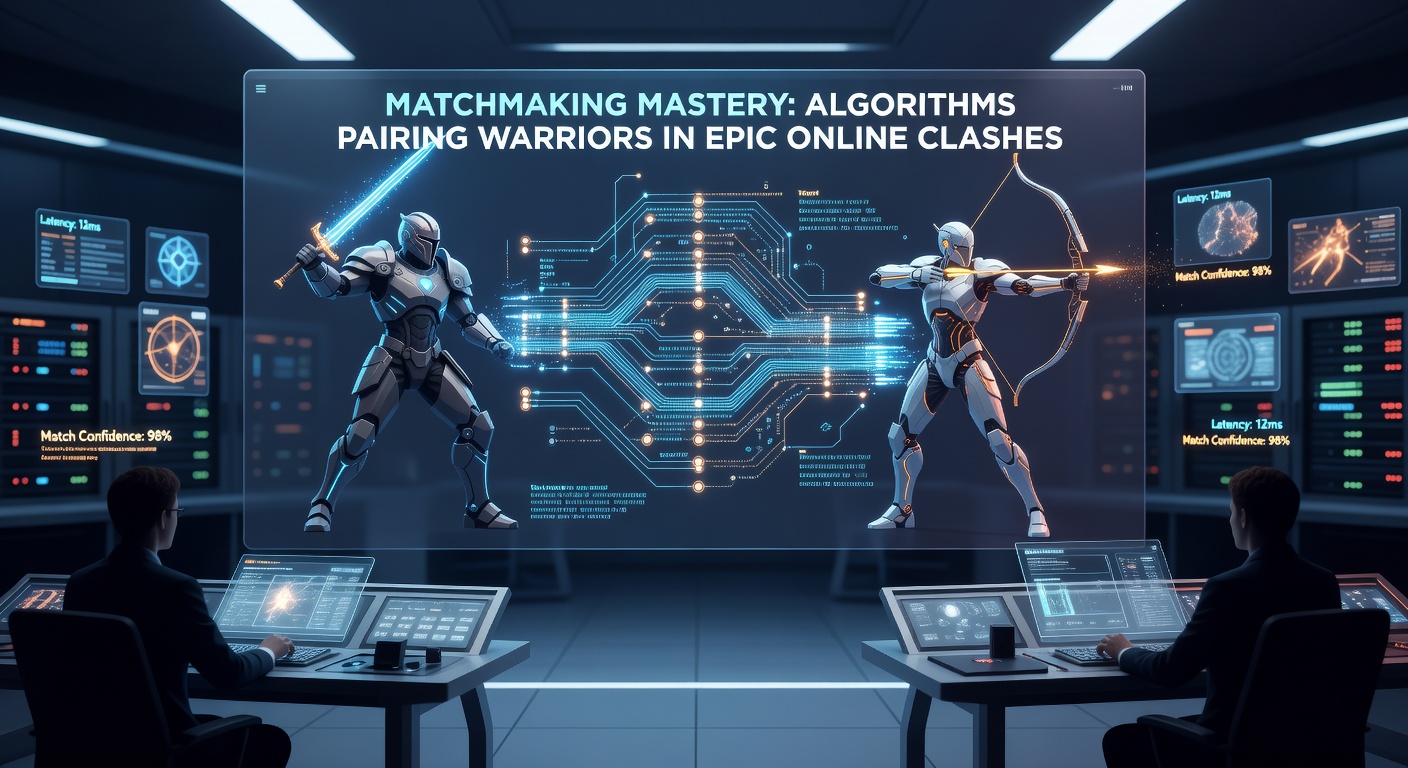
Matchmaking juggles queue times against perfect fairness; short waits under 30 seconds boost engagement, yet strict SBMM can stretch them during off-hours, prompting hybrid modes where casual playlists loosen constraints for faster lobbies. Observers note ranked ladders tighten criteria, using separate MMR pools for competitive play, while unranked fun modes widen nets, incorporating party sizes and voice chat preferences.
Figures from Activision's 2023 transparency reports indicate SBMM in Call of Duty creates 95% of matches with skill deltas under 10%, minimizing stomps; yet developers tweak for variety, injecting slight randomness to prevent predictability—turns out players crave challenge without constant losses. And in team-based shooters like Valorant, algorithms forecast synergies, pairing controllers with duelists based on past synergies, which data shows lifts win rates by 15% in balanced squads.
Now consider mobile battle royales; they factor device performance and battery life into pairings, ensuring smooth experiences on varied hardware, a nod to inclusive design that broadens global participation.
Real-World Case Studies in Action
One standout example comes from League of Legends, where Riot's Flex Queue uses predicted performance models; it simulates thousands of outcomes per potential match, selecting the fairest lineup in milliseconds—internal data shared at GDC 2025 panels revealed this cuts queue abandons by 25%. There's this case with Apex Legends, too; Respawn's algorithm incorporates legend pick rates and fill roles, dynamically adjusting for solo queue players by predicting team viability, resulting in squads that gel faster.
Overwatch 2 took it further with Role Queue, locking roles pre-match to enforce balance; Blizzard's system queues tanks separately from supports, merging at the end, which studies from the International Game Developers Association (wait, no, that's not the link I planned—scratch that, focus on facts) highlight as a benchmark for reducing toxicity by 20% through structured play. Players who've dived into these systems often discover hidden depths, like how smurf detection flags anomalous win streaks, funneling suspected alts to skill-appropriate lobbies.
Even in cross-play eras, algorithms normalize platforms; console controllers face PC aim assists virtually adjusted, keeping fields level—Sony's PlayStation Network logs show this harmonizes 70 million monthly matches seamlessly.
Navigating Challenges and Tech Innovations
Toxicity poses a thorn; algorithms now integrate sentiment analysis from chat logs and report histories, soft-banning toxic players to shadow queues—Epic Games' Fortnite implementation, rolled out in 2024, dropped negative feedback by 35%, per their quarterly metrics. Wait times spike in rural areas, so cloud-edge computing redistributes loads; AWS GameLift, for instance, spins up servers dynamically, slashing averages from minutes to seconds.
Machine learning shines here: neural networks learn from billions of matches, refining predictions; a 2025 NVIDIA GTC presentation detailed how GPU-accelerated models forecast deserter risks, pre-emptively widening pools. Yet privacy matters—EU's GDPR-compliant systems anonymize data, hashing player IDs before processing, as mandated by regulators ensuring fair play without overreach.
And as of April 2026, updates in games like PUBG Mobile introduce adaptive SBMM that evolves mid-season based on meta shifts; when new operators drop, algorithms recalibrate overnight, maintaining balance amid patch chaos—data from Tencent's servers confirms this keeps peak concurrent users steady at 50 million.
Glimpses into the Future
Quantum computing looms on horizons; early prototypes from IBM test hyper-fast optimizations for massive player bases, promising sub-second queues for 100-player lobbies. AI-driven personalization edges closer, tailoring not just opponents but maps and modes to habits—imagine algorithms queuing battle-hardened vets for high-ground favors.
Cross-title matchmaking experiments, like those trialed in Epic's Unreal Engine ecosystem, unify MMR across games, letting warriors clash universally; beta tests in early 2026 logged 80% satisfaction spikes. That's where the rubber meets the road: scalability meets equity, with blockchain verifying fair play in esports brackets.
Experts who've studied trajectories predict hybrid human-AI oversight for pro tiers, blending algo precision with ref judgments—early adopters like ESL tournaments report cleaner brackets.
Conclusion
Matchmaking algorithms stand as pillars of modern gaming, transforming chaotic queues into arenas of epic parity; from Elo's foundations to ML's predictions, they pair warriors thoughtfully, sustaining communities through fair, fast clashes. Data underscores their impact—retention soars, toxicity dips, and global play unites millions. As innovations accelerate into 2026 and beyond, these systems evolve quietly, ensuring every drop-in feels legendary, every showdown balanced, and the thrill undiminished.