Maintaining Continuity: The Interplay of Technology and Law in Global Gaming Ecosystems
Parker Foster · Nov 2, 2026
Maintaining Continuity: The Interplay of Technology and Law in Global Gaming Ecosystems
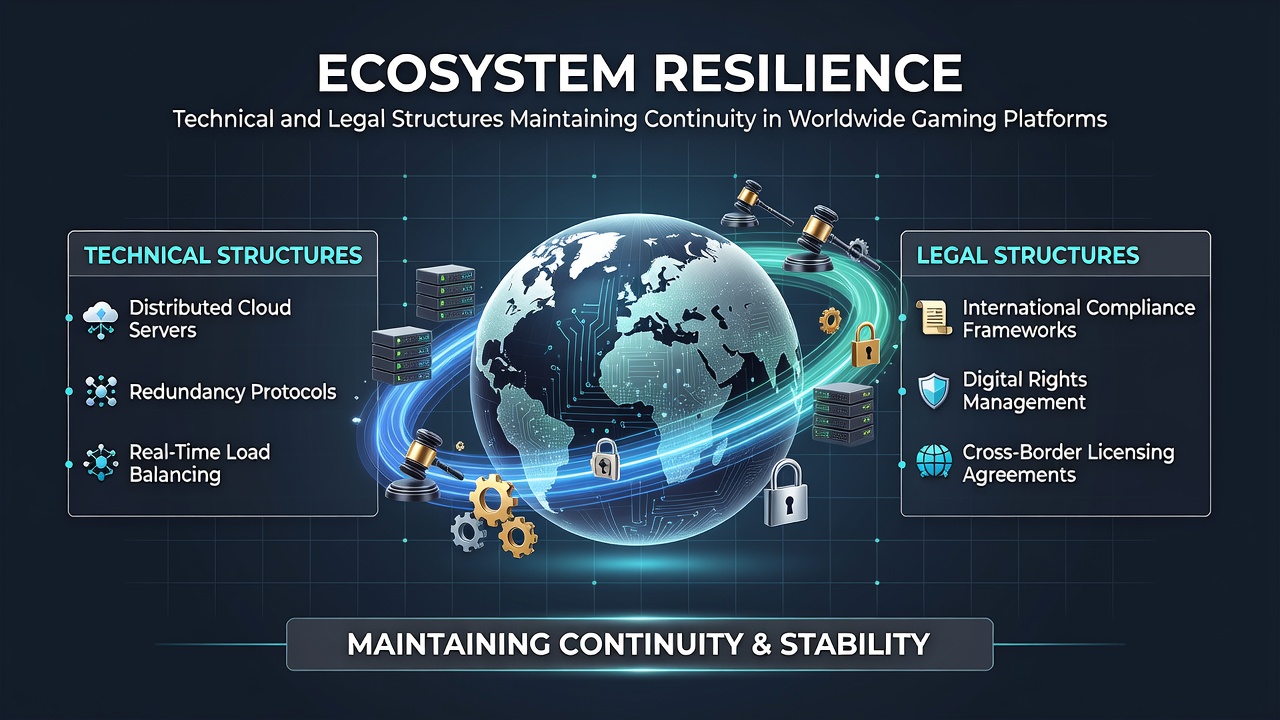
Global gaming platforms rely on layered technical systems combined with legal frameworks to maintain uninterrupted service across regions, and observers note that these elements work together to address both operational disruptions and regulatory demands. Data centers distributed across continents provide redundancy, while service level agreements define uptime expectations that companies must meet to avoid penalties, and researchers have documented how these arrangements scale with player bases exceeding hundreds of millions.
Technical continuity begins with distributed server networks that route traffic dynamically during peak loads or outages, and studies from institutions like the Massachusetts Institute of Technology highlight how edge computing reduces latency by processing data closer to users. Cloud providers implement automated failover protocols that shift operations within seconds when hardware fails, whereas encryption standards protect transaction records and user profiles during these transitions, and evidence from industry reports shows adoption rates climbing steadily through 2025.
Technical Foundations for Platform Stability
Engineers deploy container orchestration tools that isolate game instances, allowing updates without full shutdowns, and this approach has proven effective in maintaining session continuity during major releases. Monitoring systems track metrics such as packet loss and server health in real time, triggering alerts that prompt immediate intervention, while machine learning models predict potential bottlenecks based on historical patterns from events like seasonal tournaments. Figures from the International Telecommunication Union indicate that global internet infrastructure investments reached new highs in 2025, supporting the bandwidth required for these operations.
Security measures integrate with these systems through multi-factor authentication layers and regular penetration testing cycles, and organizations such as the European Union Agency for Cybersecurity have published guidelines that many platforms now follow to safeguard against distributed denial-of-service attacks. Backup power supplies and geographic diversification further reduce single points of failure, and data shows that platforms with at least three regional data hubs experience fewer prolonged interruptions compared to those with centralized setups.
Legal Structures Supporting Operational Continuity
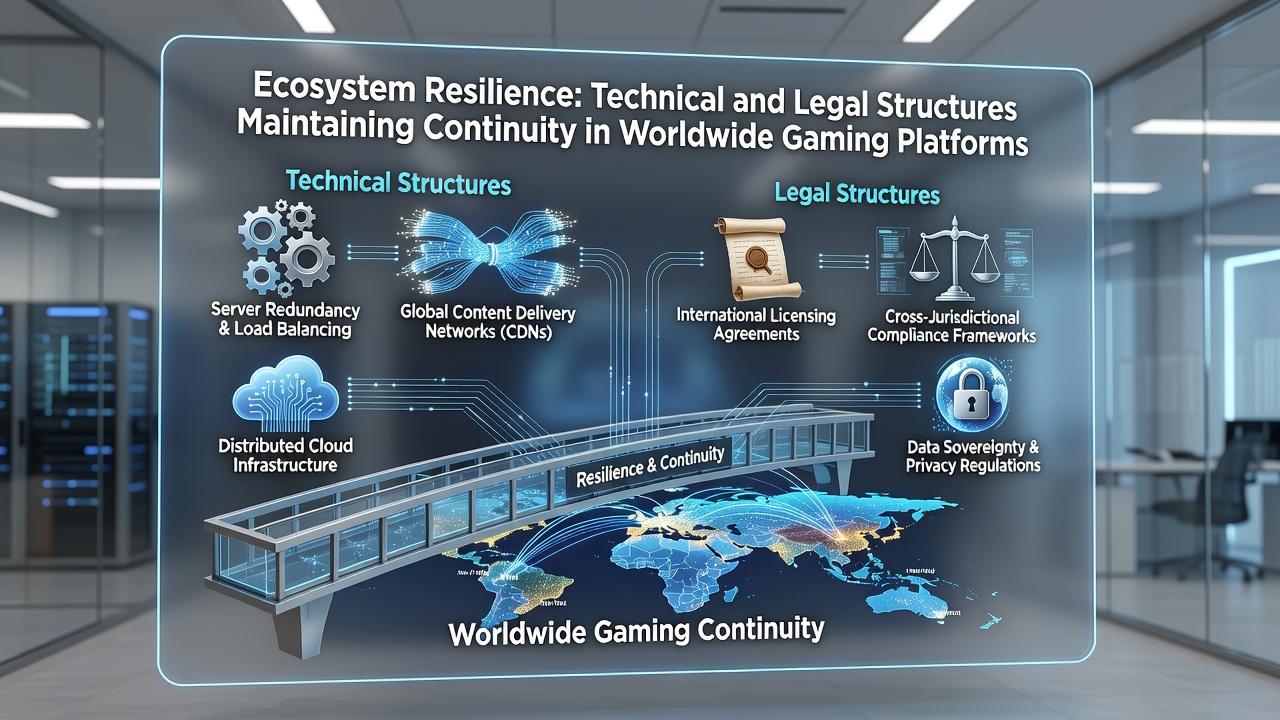
Contracts between platform operators and infrastructure providers specify recovery time objectives and financial remedies for breaches, and these agreements often reference international standards such as ISO 22301 for business continuity management. Regulatory bodies enforce transparency requirements around data handling, and the Australian Competition and Consumer Commission has examined how consumer protection rules intersect with service availability commitments in digital markets. Cross-border data transfer rules under frameworks like the EU's adequacy decisions shape where servers can be located, and compliance teams monitor changes that take effect in November 2026 when updated digital services legislation expands reporting obligations for large platforms.
Intellectual property clauses in user agreements protect virtual assets during migrations or platform mergers, and arbitration mechanisms resolve disputes without halting core services. Trade associations including the Interactive Software Federation of Europe compile best practices that members adopt to align legal and technical strategies, and case studies reveal that coordinated approaches have helped platforms recover from regional outages within hours rather than days.
Integration of Systems in Practice
Platforms coordinate technical teams with legal counsel during incident response planning, and tabletop exercises simulate scenarios ranging from hardware failures to policy shifts. Documentation of these procedures supports audits required by various jurisdictions, and researchers at the University of Tokyo have analyzed how such integrations affect recovery metrics in Asian markets. Player data portability features, mandated in several regions, rely on standardized APIs that maintain functionality even when accounts transfer between services, and this capability reduces lock-in effects while preserving ecosystem participation.
Monitoring extends to regulatory filings that track adherence to continuity standards, and organizations publish aggregated statistics showing improvement trends across the sector. November 2026 marks the rollout of enhanced transparency rules in multiple jurisdictions, prompting platforms to refine logging systems that feed both operational dashboards and compliance reports.
Conclusion
Technical architectures and legal instruments together create pathways for sustained operation in worldwide gaming environments, and data from multiple sources confirms measurable reductions in downtime when these elements align. Continued investment in both areas supports expansion as player numbers grow and regulations evolve, with patterns established through 2025 providing a baseline for future adaptations.