Digital Handshakes: Frameworks That Secure Player Interactions in Online Gaming
Parker Foster · Jul 21, 2026
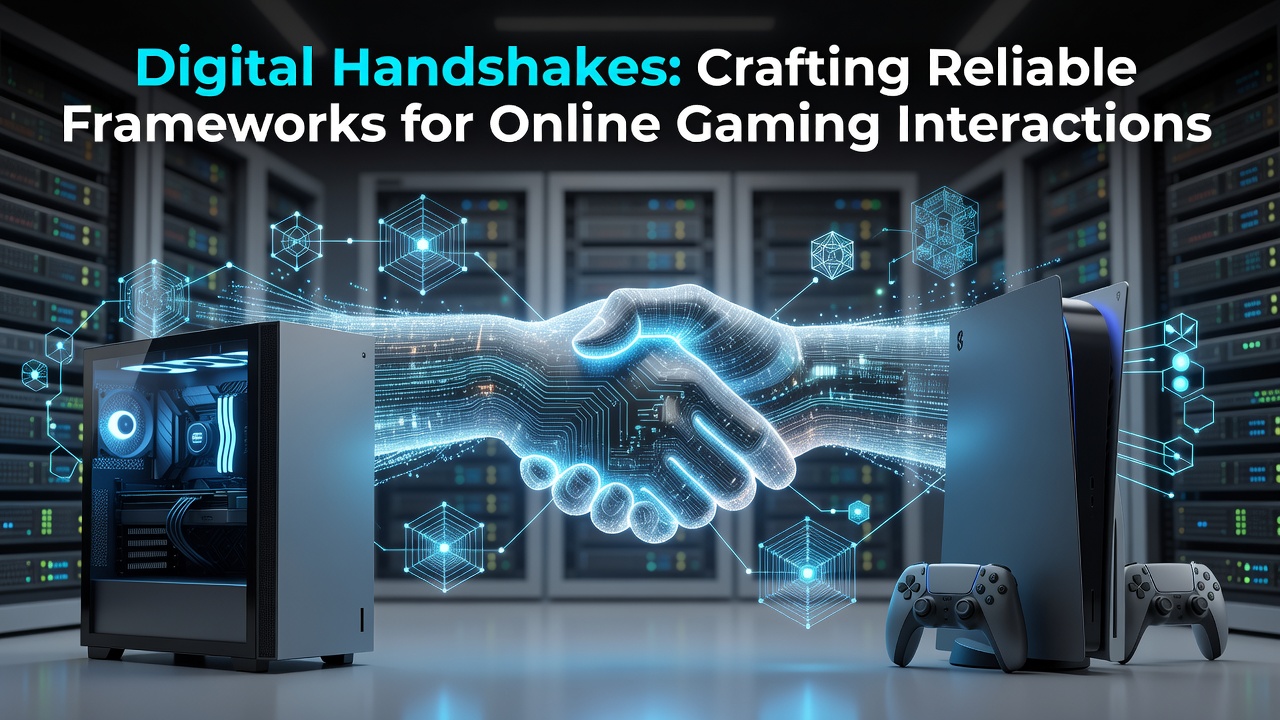
Digital Handshakes: Frameworks That Secure Player Interactions in Online Gaming
Digital handshakes represent the structured protocols and verification systems that establish trust between players, servers, and platforms during online gaming sessions, and these mechanisms operate through a combination of cryptographic authentication, session management, and behavioral monitoring that prevent unauthorized access while maintaining seamless gameplay. Researchers at institutions focused on networked systems have documented how these frameworks evolved from basic login procedures in the early 2000s to sophisticated multi-layered systems that handle millions of concurrent interactions each day.
Core Components of Digital Handshake Systems
Authentication forms the foundation of any digital handshake, where players prove their identity through tokens, certificates, or biometric-linked accounts before entering a game environment, and this process integrates with encryption standards such as TLS 1.3 to protect data exchanges between client devices and game servers. Session tokens then maintain continuity, allowing the system to recognize returning participants without repeated full verifications, while rate-limiting features guard against brute-force attempts that could disrupt service for legitimate users. Data from industry monitoring in 2025 showed that platforms implementing these layered checks experienced measurable reductions in account takeover incidents compared to those relying on single-factor methods alone.
Behavioral analytics extend the handshake beyond initial login by continuously evaluating player actions for consistency with established patterns, and algorithms flag anomalies such as sudden skill spikes or unusual movement sequences that might indicate cheating tools or bot usage. Those who have studied these systems note that the integration of machine learning models trained on historical gameplay data enables real-time adjustments, creating a dynamic trust score that influences matchmaking eligibility and access to certain features. In July 2026, several major titles updated their frameworks to incorporate federated learning techniques, allowing models to improve across regions without centralizing sensitive player information.
Implementation Across Different Gaming Genres
Multiplayer shooters rely heavily on low-latency handshake protocols that verify player positions and actions within milliseconds to maintain competitive integrity, whereas massively multiplayer online role-playing games emphasize persistent identity verification to support complex economies and long-term character progression. Observers note that real-time strategy titles often combine both approaches, using handshake mechanisms to synchronize large-scale battles while protecting resource trading systems from exploitation. One study from a European research consortium revealed that games employing cross-platform handshake standards saw increased player retention rates as users moved fluidly between devices without losing verified status.
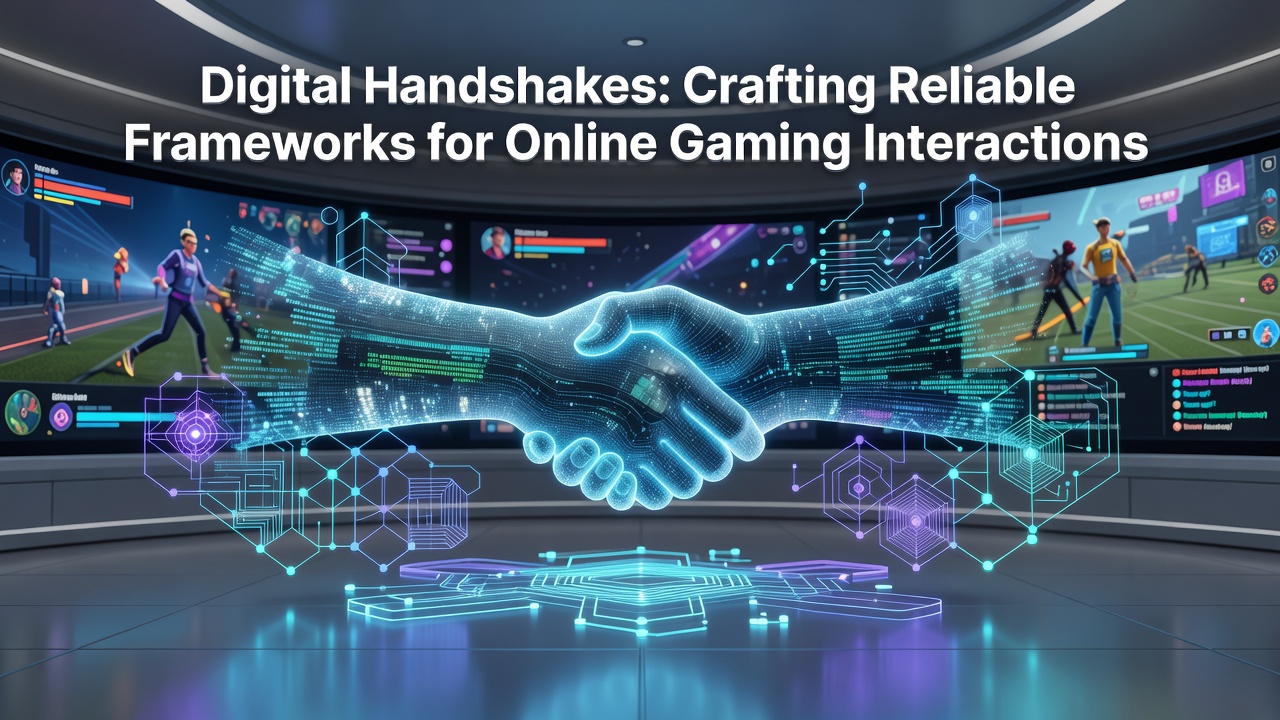
These frameworks also address cross-regional challenges by incorporating geolocation checks and compliance modules that align with varying data protection requirements, and platforms operating in multiple jurisdictions must balance performance with regulatory expectations. Figures from the Entertainment Software Association indicate that standardized handshake protocols have become essential for titles seeking global audiences, as they reduce friction during account linking and reduce the incidence of region-locked disputes.
Challenges and Technical Solutions
Scalability remains a primary concern for digital handshake systems because peak usage periods can generate billions of authentication requests, and engineers address this through distributed verification networks that route traffic across multiple data centers. Latency-sensitive games require optimized handshake sequences that minimize round trips while still completing necessary security checks, and techniques such as preemptive token refreshment help keep players engaged without interruptions. Those who've analyzed outage reports point to cases where inadequate load distribution during handshake phases led to temporary service degradation, prompting developers to adopt more resilient architectures.
Privacy considerations shape how much information handshakes collect and retain, with systems increasingly using zero-knowledge proofs to confirm attributes without exposing underlying data. A report referenced by the Innovation, Science and Economic Development Canada highlighted how gaming platforms in North America have adopted these methods to meet evolving standards while preserving user experience. Anti-cheat integration further strengthens the framework by feeding verified session data into detection algorithms that operate continuously rather than at isolated checkpoints.
Future Developments in Handshake Technology
Emerging standards aim to unify handshake processes across competing platforms, allowing players to carry verified identities between different ecosystems without repeated onboarding, and blockchain-based identity solutions are under exploration for creating portable trust credentials. As cloud infrastructure expands, these frameworks are expected to leverage edge computing nodes to shorten verification distances and further reduce delays. Research indicates that continued refinement of these systems will support larger player bases and more intricate in-game social features without compromising security baselines.
Conclusion
Digital handshake frameworks continue to underpin the reliability of online gaming interactions by combining authentication, monitoring, and adaptive verification into cohesive systems that scale with industry growth, and their ongoing evolution reflects both technological advances and shifting regulatory landscapes across regions. Platforms that maintain robust implementations demonstrate measurable improvements in user trust metrics and operational stability, while collaborative efforts among developers, researchers, and standards bodies drive incremental enhancements that benefit the broader ecosystem.